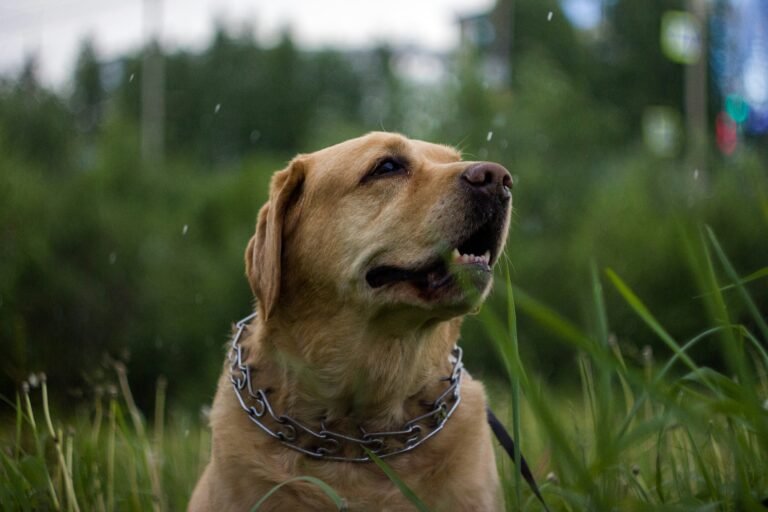

Labrador Retriever Training: The Complete Guide
Labrador Retriever training tends to go smoothly precisely because the breed was built for it: generations of working alongside hunters and fishermen left Labs genuinely eager to please and unusually responsive to a handler’s voice. That reputation for trainability is well earned, but it still helps to follow an actual plan rather than piecing together commands at random.
This guide covers when to start, the real milestone timeline by age, the essential commands every Lab should know, and why understanding the breed’s working history changes how you should approach training it.
When to start and the milestone timeline
According to the American Kennel Club, which interviewed longtime breeders Cathy Straub Benedict of Cabin Labradors and Betty Barkley of Breton Gate Labrador Retrievers, training realistically begins the moment a puppy comes home at 8 weeks, starting with potty routines and light activities like short leash walks and games of fetch. “Labs love to please and are quick learners,” Barkley notes, adding that basic obedience and simple tricks can begin almost immediately.
That said, Straub Benedict is candid about pacing: “I like to let a puppy be a puppy for the first six months, then we start basic training.” The milestones that follow are fairly predictable: swimming lessons around 3 months (Labs need to be taught to swim safely, not simply tossed in water), stairs around 4 months, formal obedience classes around 4 months once vaccines are complete, teething around 4 to 5 months, and gradually longer leash walks leading up to the 12-month mark, when jogging together finally becomes safe.

Essential commands and how to teach them
Per World of Dogz, the basic command set every Labrador should master includes sit, stay, down, come, and a firm no, taught in that rough order since each builds a bit of impulse control the next command relies on. Sit is usually the easiest starting point: lure the dog into position with a treat held above its nose, mark the moment it sits, and reward immediately.
Stay and down both take more patience, since they ask a naturally energetic dog to hold still, something that runs against instinct for the first several weeks of practice. Consistency matters more than speed here: the same cue word, the same hand signal, and the same tone every time, from everyone in the household, gets a reliable response faster than an inconsistent mix of approaches ever will.
Why the breed’s history shapes how it learns
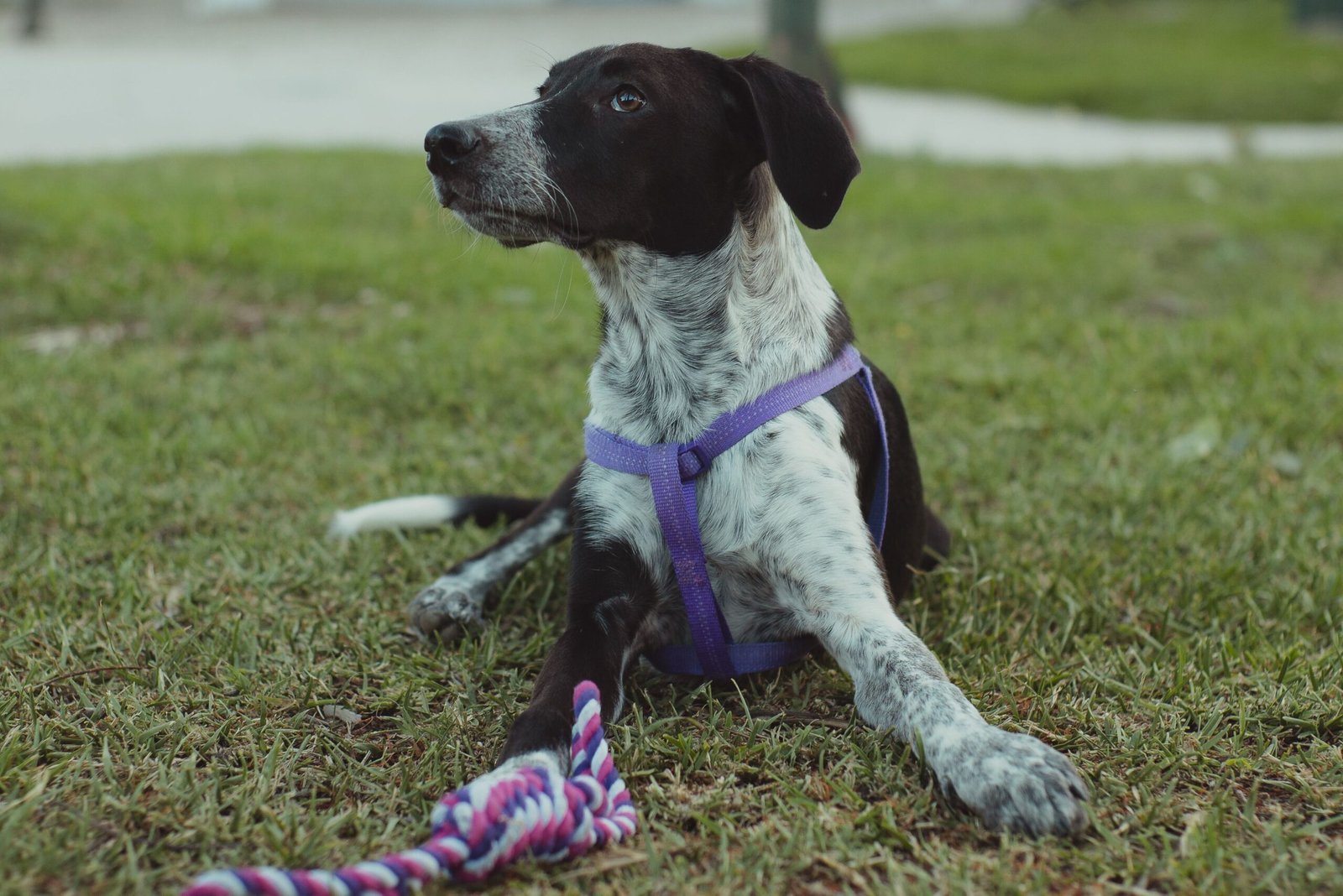
World of Dogz makes a point worth taking seriously: Labradors were bred to work alongside hunters who issued vocal commands during retrieving work, which means the breed is naturally more attuned to voice tone and inflection than many others. A stern, low tone for “stay” and a warmer, higher tone for praise genuinely register differently to a Lab, and mixing those signals up slows training down.
That same working history is also why a reliable stop or recall command matters more for this breed specifically than it might for a less driven one. Labradors carry a strong prey drive, and a dog that spots a squirrel or rabbit can take off toward a road without a second thought. A dependable “stop” or “come” isn’t just a nice-to-have obedience trick here, it’s a genuine safety command worth prioritizing early.
When a structured system beats scattered tips
A couple of the recommendations below are affiliate links (full disclosure at the end of this article).
Piecing together a command list from one site, a milestone timeline from another, and behavior advice from a third works, but it takes real effort to keep straight, especially for a first-time owner trying to raise a Lab from puppyhood through adulthood. The free first step that costs nothing is simply following the age-based timeline and command list above consistently, in short 5 to 10 minute sessions a few times a day.
For owners who’d rather have one complete, structured resource instead of stitching advice together article by article, the Dog Trainer Bible is a 37-guide, 3-phase masterclass covering choice, care, nutrition, and behavioral training as a single system. It’s best suited to owners who want the full picture in one place rather than a quick fix for one specific problem, and its real advantage is that it doesn’t stop at commands, it also covers the daily-care decisions that affect how trainable a dog is in the first place. Its one honest limitation is that it’s a self-paced written program, it doesn’t replace in-person puppy socialization classes or, for real behavioral difficulties, hands-on help from a certified professional trainer.
When to consider a professional trainer
Obedient K9 Academy, a professional training business, notes that Labradors typically learn a new command in as few as five repetitions and obey a first command correctly 95% of the time or better, a reflection of the breed’s ranking among the smartest dogs. That trainability is precisely why most owners can teach basic obedience successfully at home.
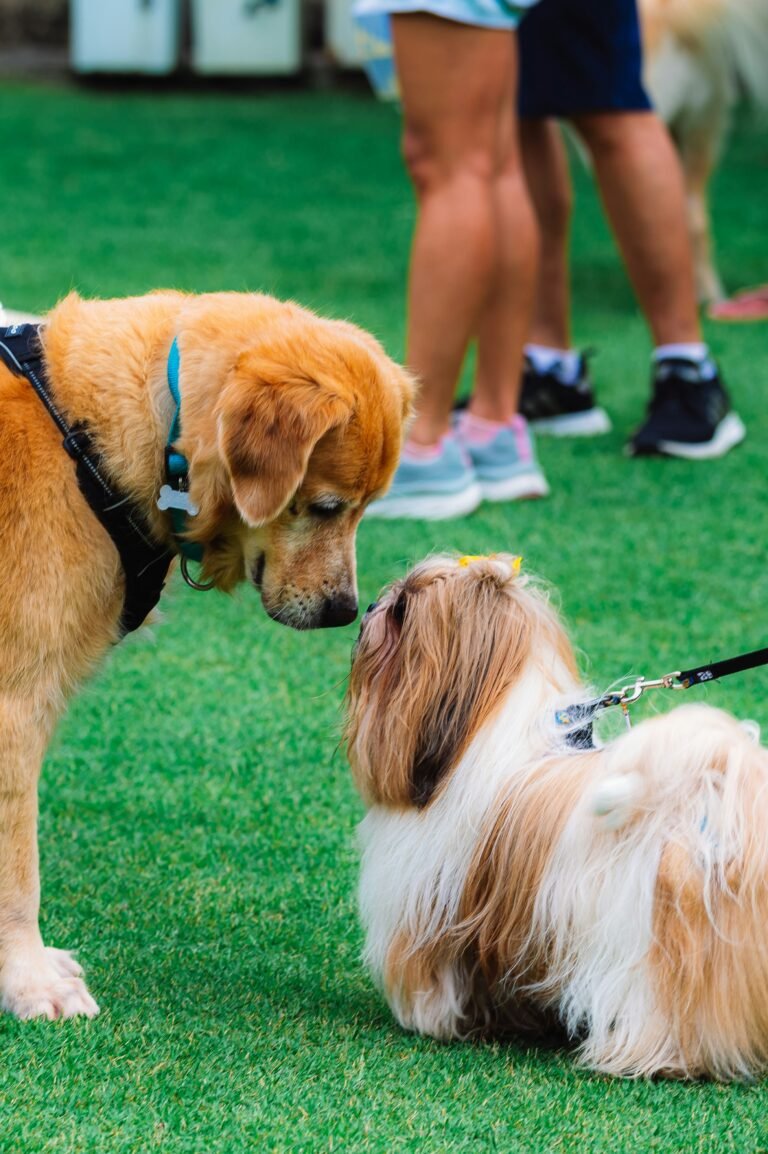
Professional group classes still earn their keep for puppy socialization specifically, giving a young Lab safe, structured exposure to other dogs and people that’s harder to replicate alone, and for genuine behavior problems, persistent leash pulling, jumping, or reactivity, that aren’t improving despite consistent home practice. Neither situation is a sign that home training failed, they’re just areas where expert feedback speeds things up.
Frequently Asked Questions
At what age should I start training a Labrador Retriever?
Start the day your puppy comes home, typically around 8 weeks, with light activities and basic obedience. Most breeders recommend letting a puppy be a puppy for the first six months before layering on more structured training, though name recognition and potty routines should begin immediately.
Are Labrador Retrievers easy to train?
Generally yes. Labradors rank among the smartest dog breeds and can learn a new command in as few as five repetitions, obeying a first command correctly 95% of the time or better according to professional trainers. Their eagerness to please makes positive reinforcement especially effective.
What commands should I teach my Labrador first?
Start with sit, stay, come, down, and a reliable stop or leave it. The stop command matters more for this breed than most because Labradors have a strong prey drive and may chase a squirrel or rabbit toward danger without a solid recall or stop in place.
Is it worth hiring a professional trainer for a Labrador?
It can be, especially for puppy socialization classes or if specific behavior problems like leash pulling or jumping aren’t improving with consistent home practice. Professional obedience programs add structure and expert feedback that’s hard to replicate alone, though most basic commands can be taught successfully at home.
The bottom line
Labrador Retriever training benefits from starting early, following a real age-based timeline instead of guessing, and taking the breed’s working history seriously, especially the value of a reliable stop command given its strong prey drive. Owners who stay consistent with short, positive sessions from the first weeks home tend to end up with exactly the responsive, easygoing companion the breed has been bred for since it worked the docks of Newfoundland. For the personality traits behind that trainability, see our Labrador Retriever temperament guide.